




































AI Code
Refactoring &
Cleanup for
Vibe-Coded Apps
Turn AI code chaos into a stable foundation. We will
professionally refactor your product to stop constant
crashes and bring development speed back to your team.
REQUEST OUR SERVICES
Get a cost estimate


REQUEST OUR SERVICES
Get a cost estimate19Years
Pioneering Excellence in
Development
80+
Specialists Ready to Innovate
AI Code Refactoring Audit
from $1,200
Built your MVP with Lovable, Bolt, v0, or Cursor etc - and now you need to know if it can survive real users, real data, and real growth? We'll review your codebase and give you a clear, jargon-free answer: what's solid, what's risky, and what it will realistically cost to fix.
What we look at:
- Architecture:
- will it scale beyond a demo?
- Security:
- exposed keys, auth flaws, data leaks - the typical AI-builder blind spots
- Tech debt:
- what must be fixed now vs. what can wait
- Performance:
- bottlenecks before they hit your users
 Full audit
- Step-by-step roadmap with costs
- 60-min strategy call
- Delivery Time: 7 days
What Code
Refactoring Means
In software engineering, the code refactoring meaning is straightforward: restructuring existing code without changing what it does from the outside. The user-facing behavior stays the same; the internal structure becomes cleaner, more efficient, and easier to maintain. The refactoring code meaning is identical - whether you say "refactoring code" or "code refactoring," it's the same engineering practice of reorganizing how code is written so that future changes are faster, safer, and less likely to break things.
AI code refactoring applies this discipline to code generated by AI tools like Cursor, Claude Code, Lovable, Replit, or v0. The challenge is specific: AI-generated code tends to "work" in a narrow sense - it runs, it returns expected output for typical inputs - while hiding structural problems that show up later under real usage. Refactoring that code means identifying those problems and reshaping the codebase into something a team can maintain and scale without firefighting every release.
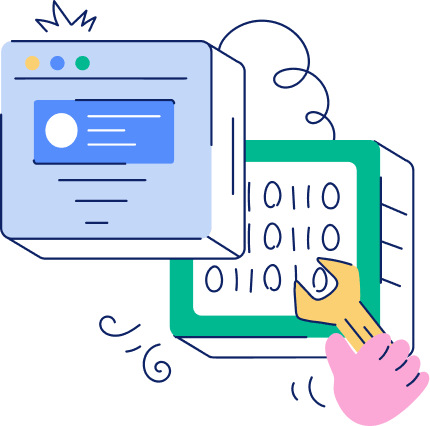

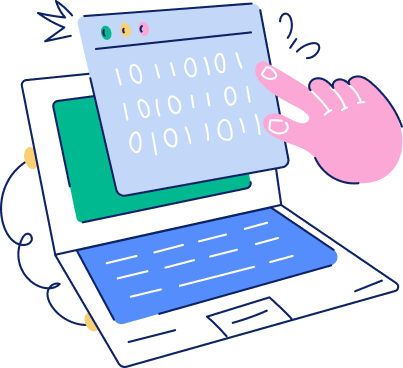
You shipped something with AI. It works, sort of. Users find bugs you can't explain, the app slows down when more than a handful of people use it, and your developers spend more time fighting fires than building features. You don't need someone to tell you there's a problem - you need someone who can fix it without making things worse.
This page covers what AI code refactoring and cleanup actually involves, what we typically find in vibe-coded codebases, what changes after the work is done, and how to get from "this is a mess" to "this is something we can build on." If you're past the point of wondering whether your code has issues and you're looking for a concrete path forward, you're in the right place.
Signs You Need AI Code
Refactoring
There are six signs that come up repeatedly in conversations with founders
who reach out to us:


If two or more of these apply, refactoring is the right conversation to have. The good news is that refactoring is usually faster, cheaper, and less risky than rebuilding from scratch.
What We Typically Find
in Vibe-Coded Codebases
We've audited and refactored enough AI-generated applications to know what's almost always there. The specifics vary, but the patterns are predictable.


Security Gaps
Hardcoded credentials, missing authentication checks, SQL injection paths, overly permissive CORS, JWT tokens accepted without proper signature validation, secrets in the frontend bundle, no rate limiting on sensitive endpoints. These are the issues that will surface in a customer security review or, worse, an actual incident.
Architectural Debt
Database queries inside loops, no caching where it matters, business logic mixed with presentation code, single files that grew to thousands of lines, duplicated functions because the AI didn't know the helper already existed.This is what makes the app slow as it scales and brittle as you add features.
Missing Test Coverage
AI-generated code rarely ships with meaningful automated tests. What tests exist often check that the code runs, not that it does the right thing. Without tests, every refactor risks breaking something silently.
Deployment and Infrastructure Shortcuts
Manual deployments, no CI/CD, secrets stored in environment files committed to the repo, no monitoring or alerting, no rollback path. The app might be hosted on whatever the AI suggested, regardless of whether it fits your real needs.
Maintainability Problems
Inconsistent patterns across the codebase, unclear naming, no documentation for non-obvious decisions, AI-generated comments that describe what the code does rather than why. Code your team will struggle to onboard onto.
For Founders and PMs: What Changes for Your Business
If you're reading this from the business side, the practical outcomes of refactoring are concrete and measurable.

Fewer Fires
Incident frequency typically drops sharply in the months after cleanup, freeing your team to ship new features instead of firefighting.
Faster Feature Delivery
Once the codebase is structured, adding a new feature takes hours or days instead of weeks. The compounding effect over a year is significant.
A Defensible Product
When investors, enterprise customers, or auditors ask about your engineering practices, you have answers - and code that backs them up.
Reduced Key-Person Risk
A documented, tested, structured codebase is one your next developer can pick up. A vibe-coded mess is one only the original builder fully understands - and that builder may not always be available.
Honest cost framing: refactoring is not free. A typical project runs anywhere from a few weeks to a few months depending on codebase size and severity. But it's almost always faster and cheaper than rebuilding from scratch, and it preserves the parts of the system that already work.


For CTOs and Technical Leads: What AI
Code Remediation Changes in the Codebase


If you're evaluating this for your engineering org, here's what to expect concretely.

What We Typically Remove or Rewrite
hardcoded secrets, ad-hoc auth flows, business logic embedded in route handlers, raw SQL strings, query patterns that don't scale, duplicated utility code, and any module the team has flagged as untouchable.
What We Typically Add
proper authentication and authorization layers, input validation and sanitization, environment-based configuration, structured error handling, automated tests for critical paths (we aim for 60-80% coverage on business logic, not 100% everywhere), CI/CD pipeline, monitoring and alerting, documentation for non-obvious decisions.
What We Deliberately Preserve
working business logic, UX patterns your users have learned, integrations that are stable, anything that adds risk without proportionate benefit when changed.
Deliverables at the End of a Project
refactored codebase merged into main, written code remediation report covering what was found and what was changed, test suite with coverage report, deployment runbook, brief team handoff session, and 30 days of post-launch support included for issues that surface in real-world use.
Stack-wise, we work with most modern web stacks: Node and TypeScript, Python, Go on the backend; React, Vue, Next.js on the frontend; Postgres, MongoDB, Redis; AWS, GCP, Vercel, Railway, Fly.io. If your stack is unusual, the same principles apply and we'll be upfront about whether we're a fit.
When AI Refactoring is the Right
Move - and When it Isn't


Tech Stack for Vibe Coding
Cursor, Claude Code, Claude 4.8 Opus, Claude 5 Sonnet, Antigravity, Gemini, Gemini 3.1 Pro, Gemini 3.5 Flash, Codex, GitHub, GitHub Actions






Testimonials



How We Approach
This at Uran Company
We're a software engineering company that uses AI extensively in our own work, but we use it as engineers. Our developers prompt AI tools to generate code, then review what comes out, perform a thorough AI code refactor where needed, and own the result. We bring that same discipline to your codebase - except instead of building from scratch, we start from what AI already built for you.
Our typical engagement starts with a paid audit (1-2 weeks, fixed scope) that produces a written assessment of what's in the code, what needs to change, and what we'd recommend doing in what order. From there, you can decide to engage us for the code remediation work, take the report to another team, or do the work in-house. We don't lock you in.
Most cleanup projects run 4 to 12 weeks of focused engineering work, depending on what the audit surfaces. We staff with senior engineers because junior developers reviewing AI-generated code tend to miss the same things the AI got wrong.
FAQ
How Long Does AI Code Refactoring Typically Take?
Can you Fix the Code Without Rewriting the Whole Product?
Can AI Tools Fix Code That Other AI Tools Generated?
Do you Work with Code from Specific AI Tools Like Cursor, Lovable, Replit, or V0?
What Does the Audit Cost, and What Do We Get?
Can you Take Over Development Entirely After the Cleanup?
How Do We Know We're a Good Fit for you?
Contact Us Today
 Success! Your message was sent!
 Error! Message not sent!